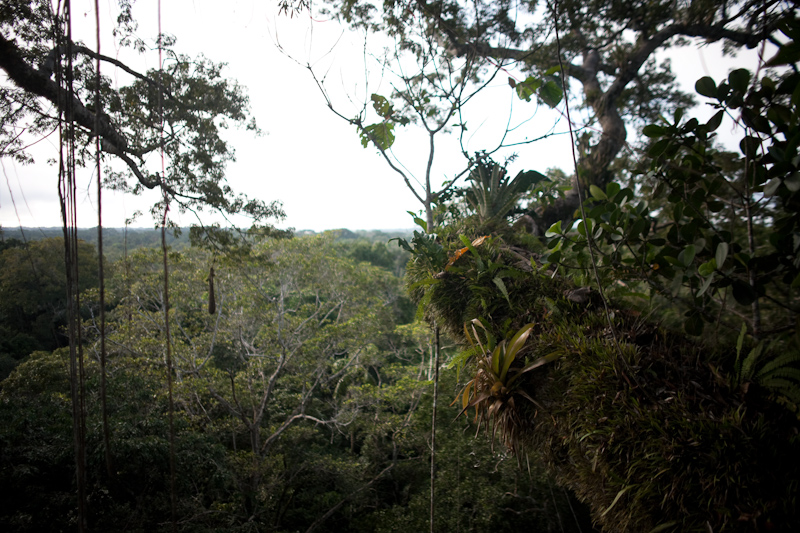
Back to the Ecuador photos from the Ecuadorian Amazon:
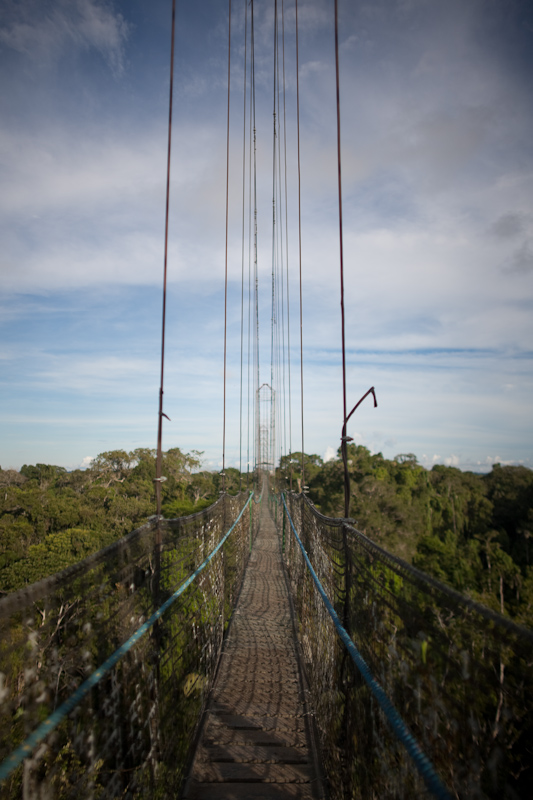
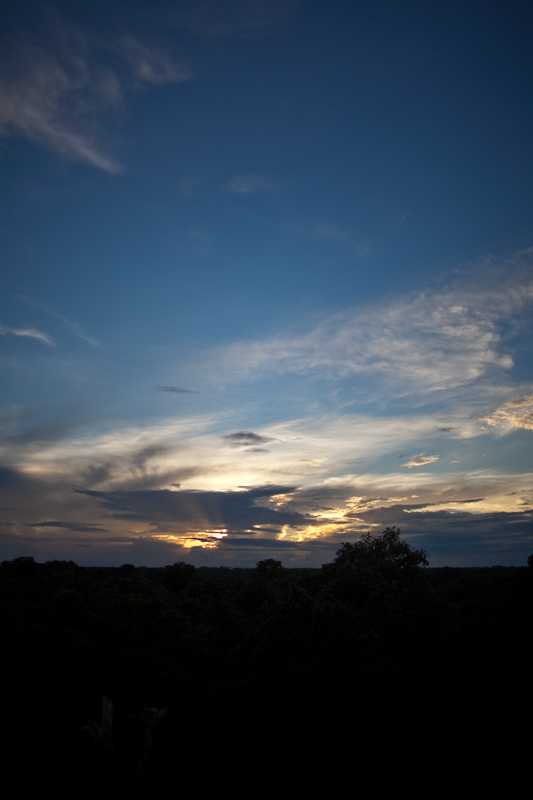
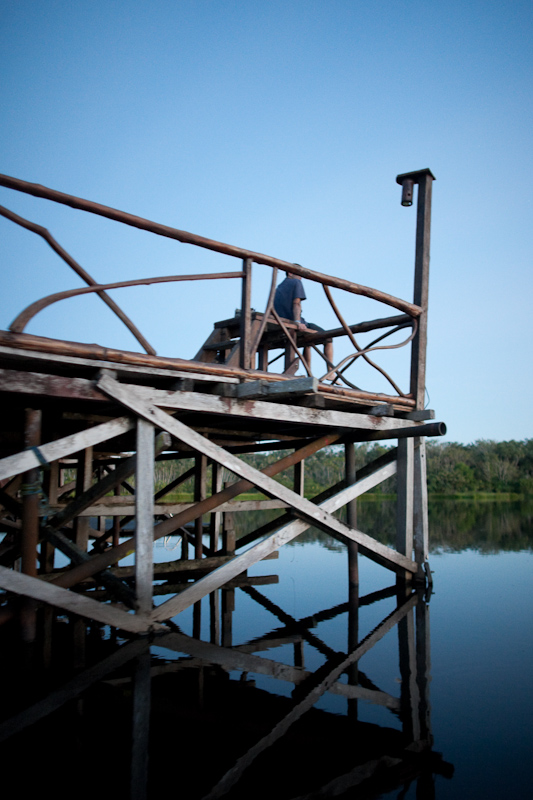
We climbed the wooden tower at the Sacha Lodge to see more birds and wildlife. The tower is built around a giant Kapok tree that is teeming with epiphytes, especially at the top. You spiral around the giant trunk as you climb the tower’s steps.
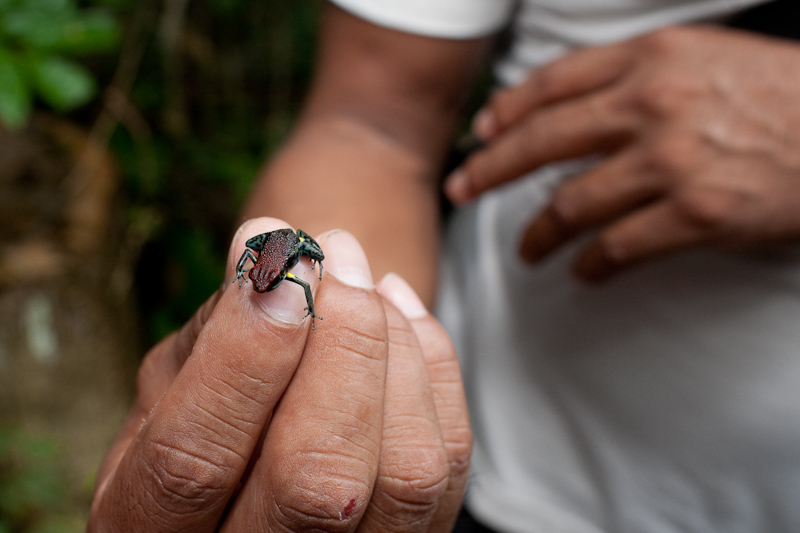
Our guide found a ruby poison dart frog (ameerega parvula). It was seriously impressive how adept he was at finding wildlife. It’s poisonous enough to kill a bunch of people.
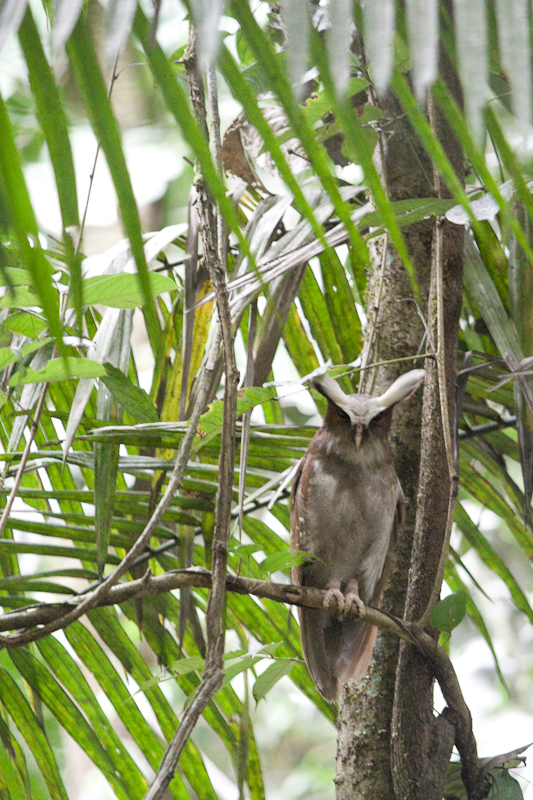
A crested owl (lophostrix cristata). It reminded me of one of those reverse-perspective optical illusions where a face always appears to be staring at you. The owl would just subtly move its head to look in your direction.
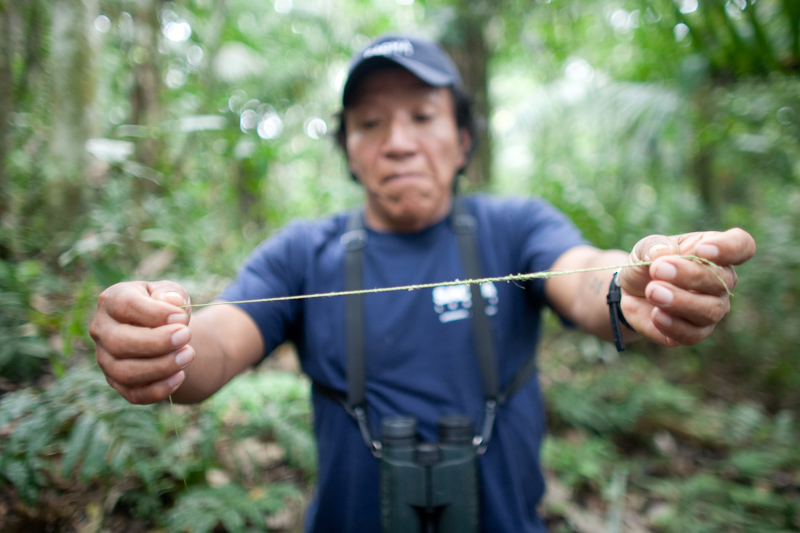
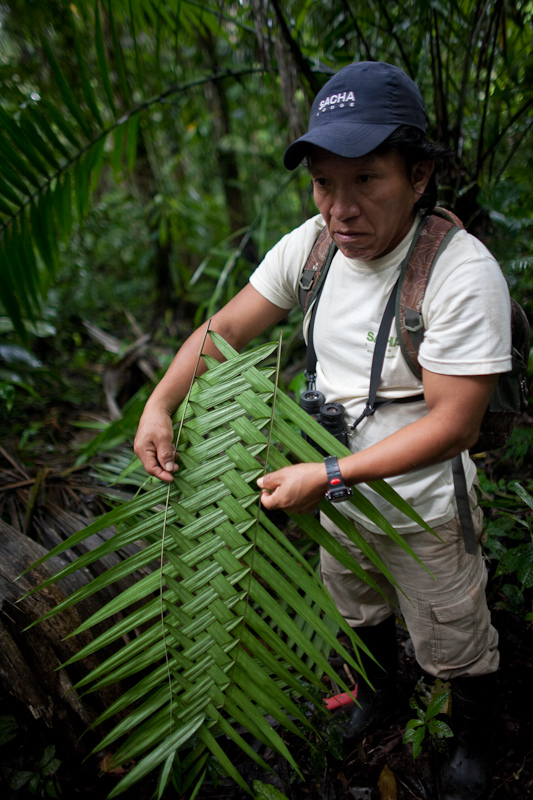
We took a break for a little demo where Carlos made a string from a palm leaf.
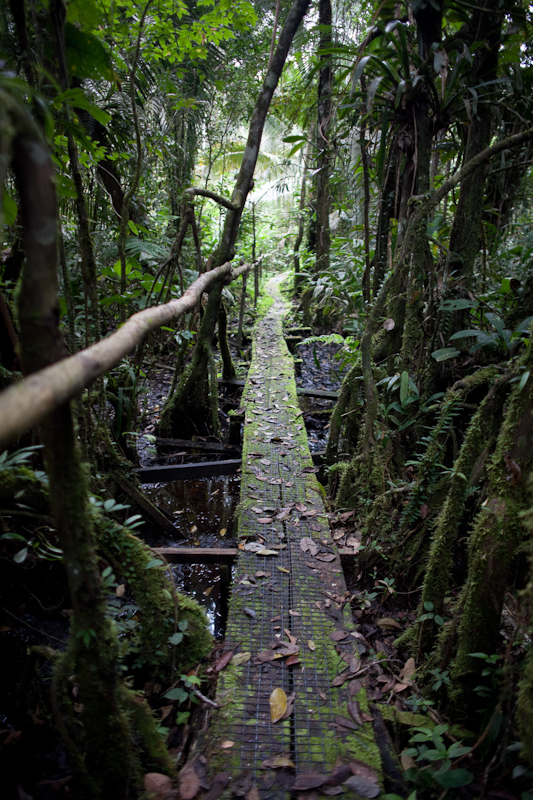
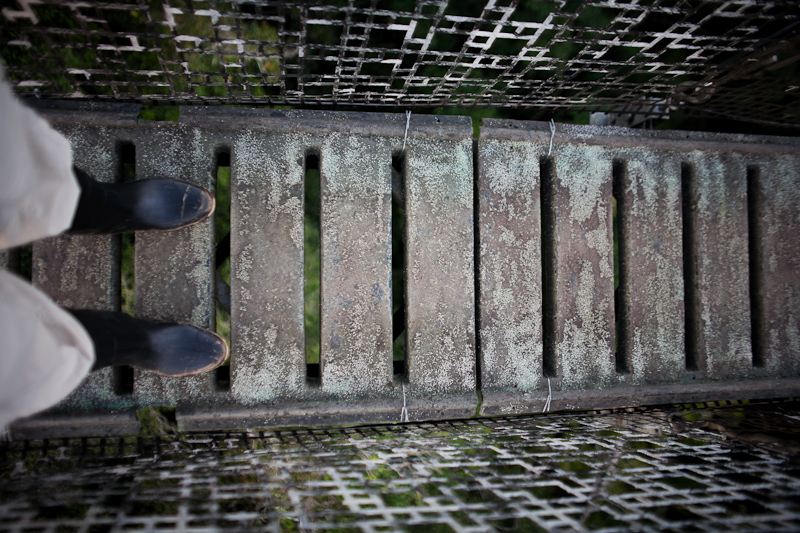
A mossy walkway
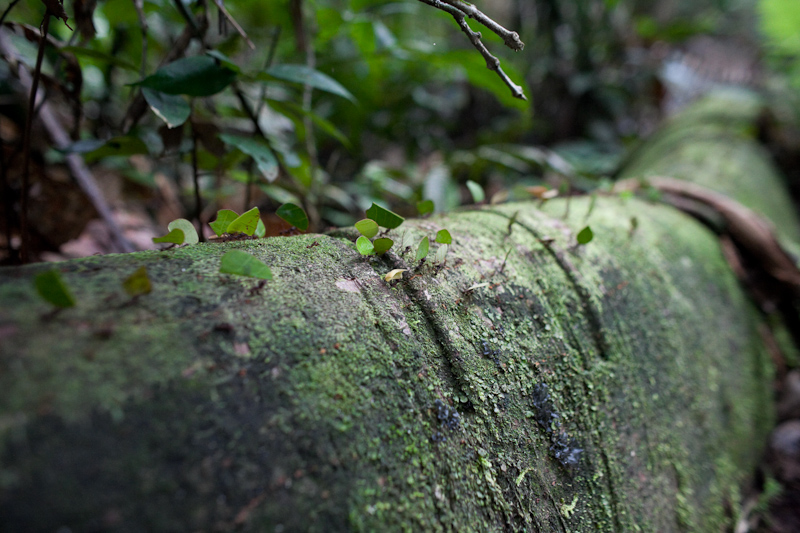
Leafcutter ants traverse a large exposed root
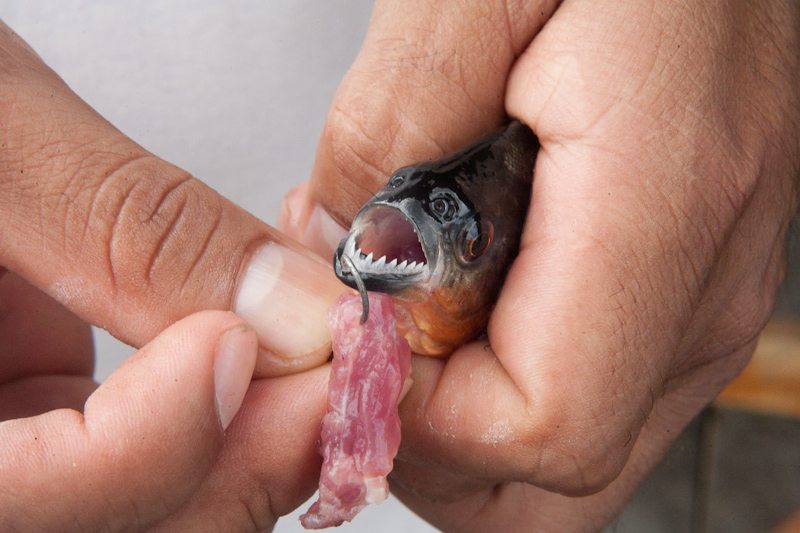
We spent an hour in the afternoon fishing. I was the only person of our group who did not catch a fish. That’s not to say that there weren’t any fish – there were piranhas everywhere in the water but they cleverly ate the raw chicken off of my hook. You could feel them bite after less than a second. I think this was a red-eye piranha (serrasalmus rhombeus).
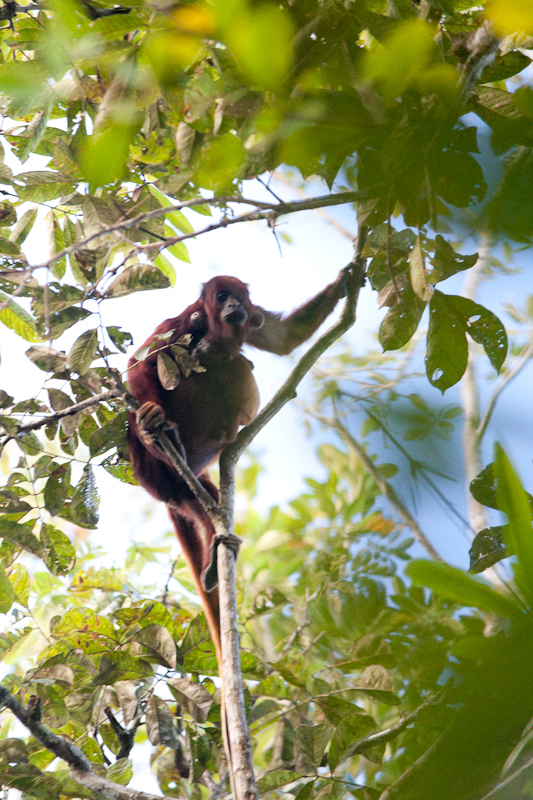
We went out again for an afternoon canoe ride after our little fishing excursion. This is a female red howler monkey (alouatta) with young attached and what I believe are giant cheek pouches probably full of food.
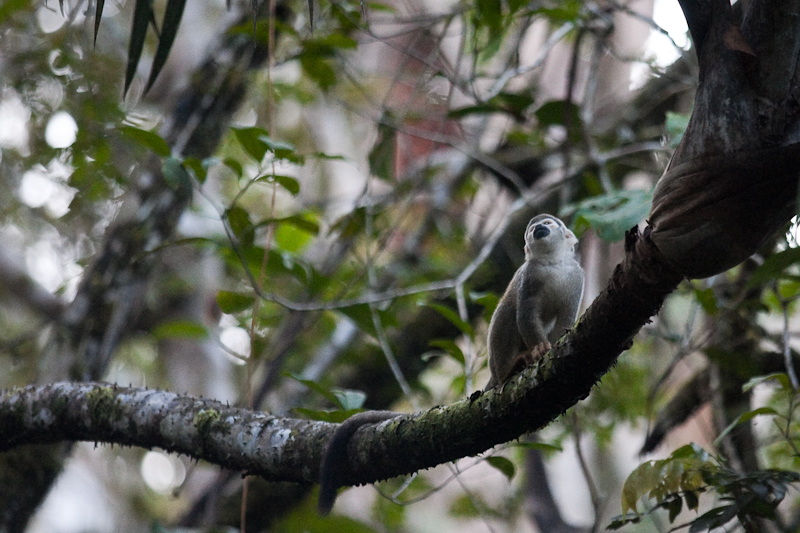
We continued along our canoe ride and heard a lot of rustling in the trees. It turns out there was a group of common squirrel monkeys (saimiri sciureus) nearby, moving around and foraging. We waited in the canoe for maybe half an hour and enjoyed the show.
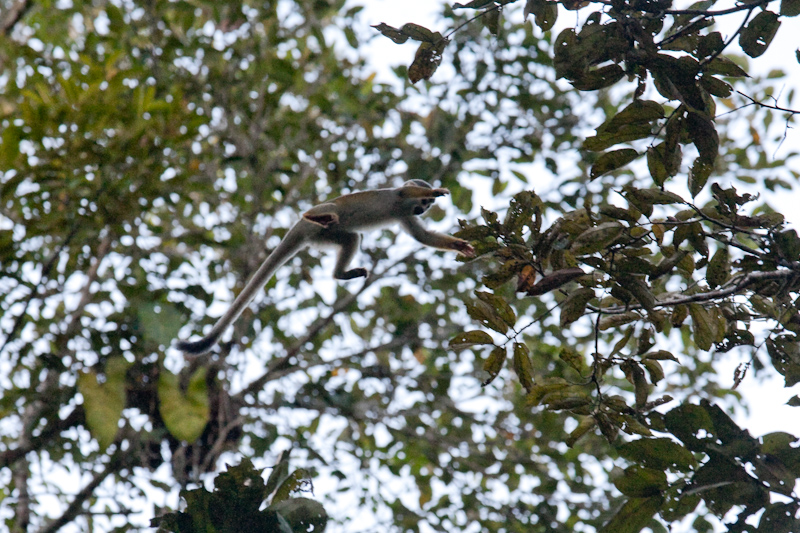
At some point, all of the common squirrel monkeys needed to cross the waterway. One by one, they jumped across, usually after hesitating for a moment as if they were considering the prospect of falling below.
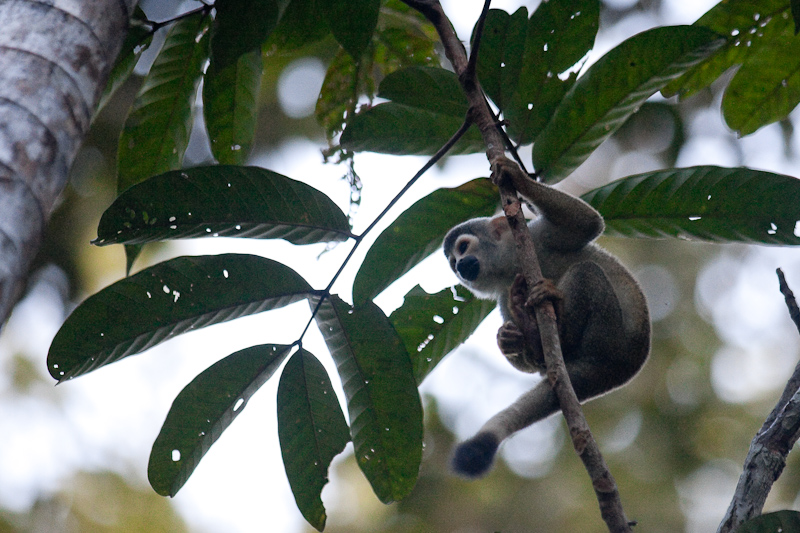 This one made it. They all seemed to be able to jump across pretty well – we didn’t see any monkeys fall but some of them missed their target but were able to grab on to a branch not far below their landing site.
 After dinner, we went out with headlamps for a night hike to see the nocturnal creatures. Here’s a grasshopper/locust that had just finished molting.
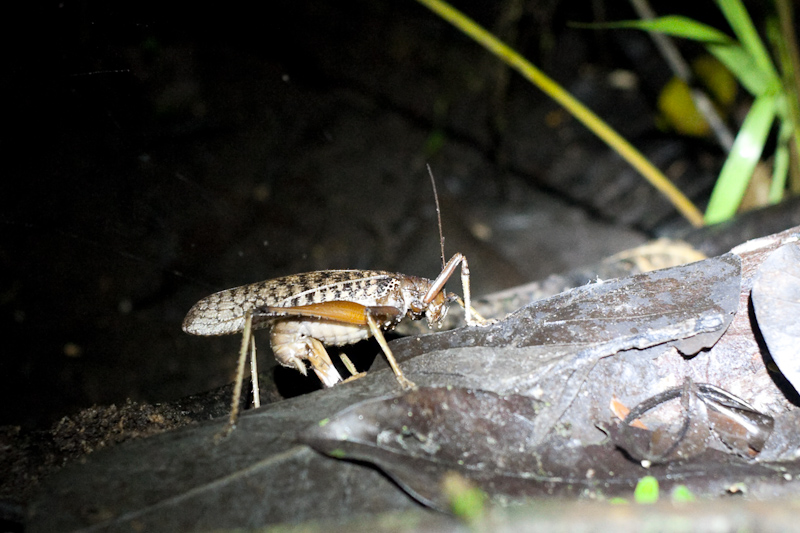
And here’s one laying eggs in a dead branch
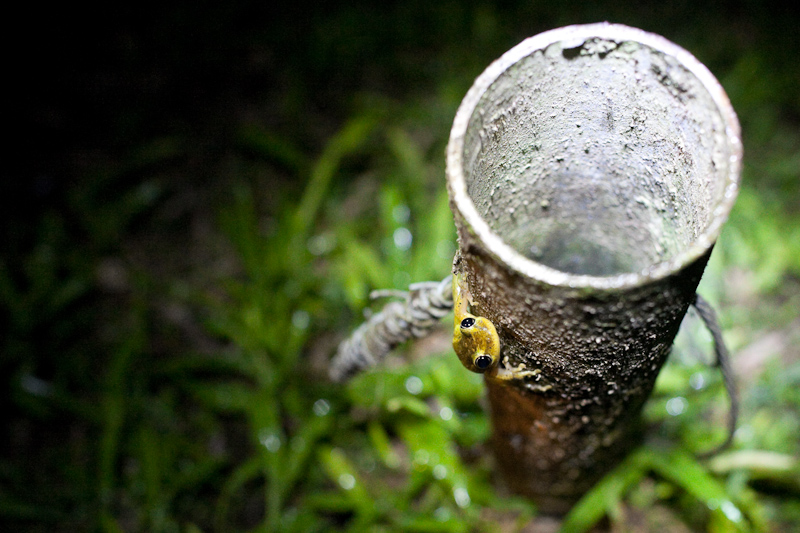
I believe this little guy was a glass frog (centrolenidae)
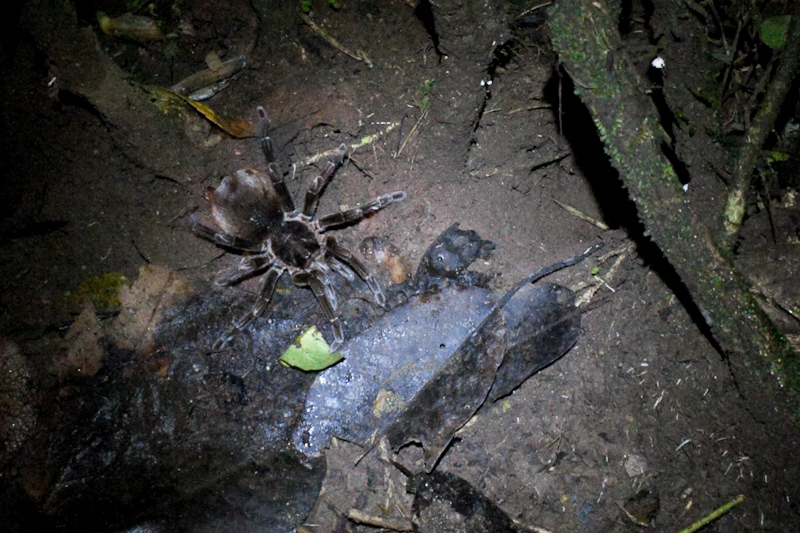
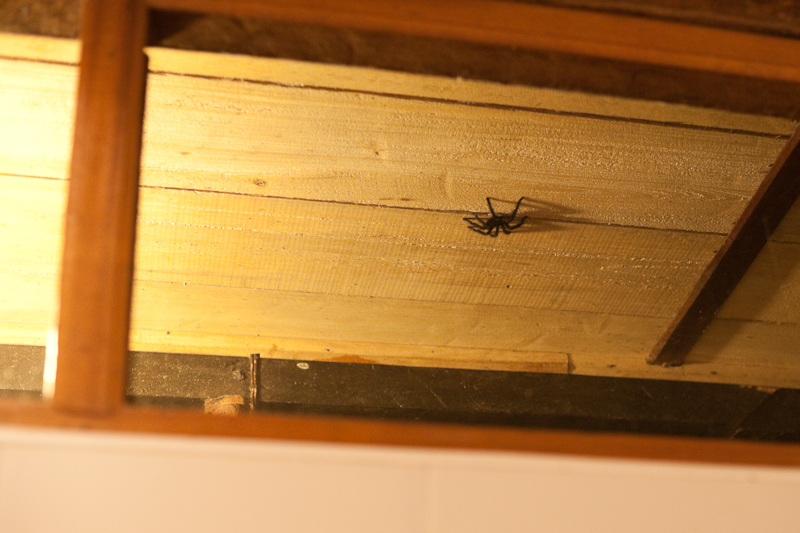
A very large burrowing bird-catching spider (selenotypus plumipes)
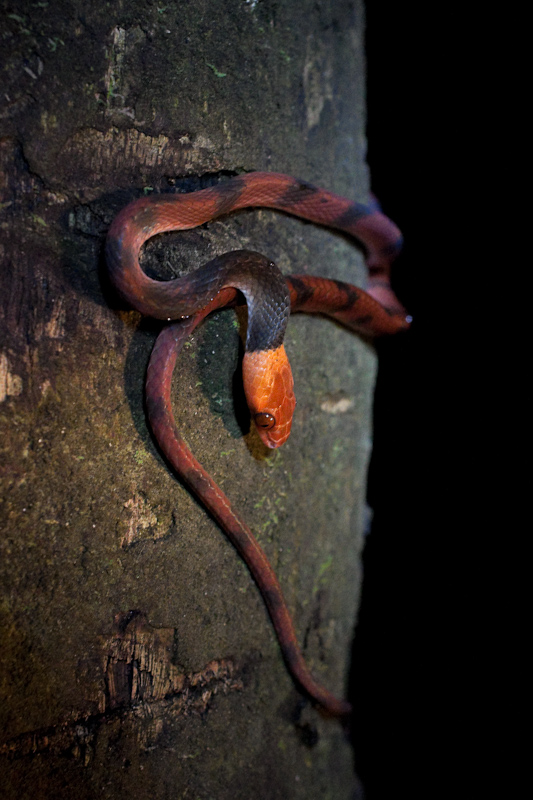 we didn’t see as many snakes as we’d hoped, but we did see this red vine snake (siphlophis compressus)

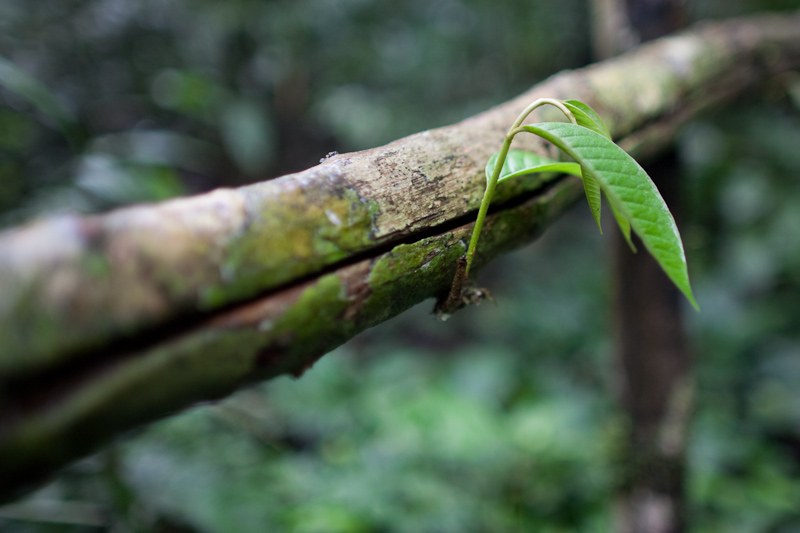 I was really surprised to see new growth on branches that had obviously been cut a while back. This branch was used as a hand-rail but still had a few fresh leaves. Is it the humidity that permits this?
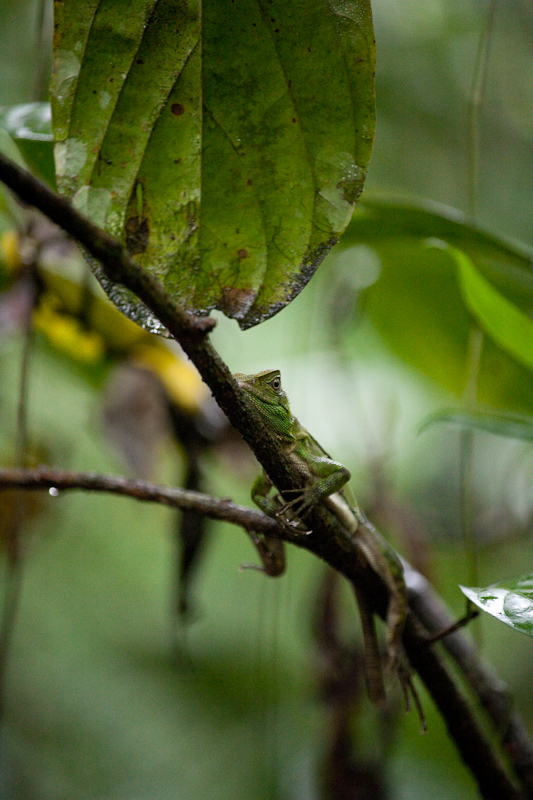 I think this is the Amazon Wood Lizard (Enyalioides laticeps) aka aka “”Guichenot’s Dwarf Iguana” aka “Sacha runa”
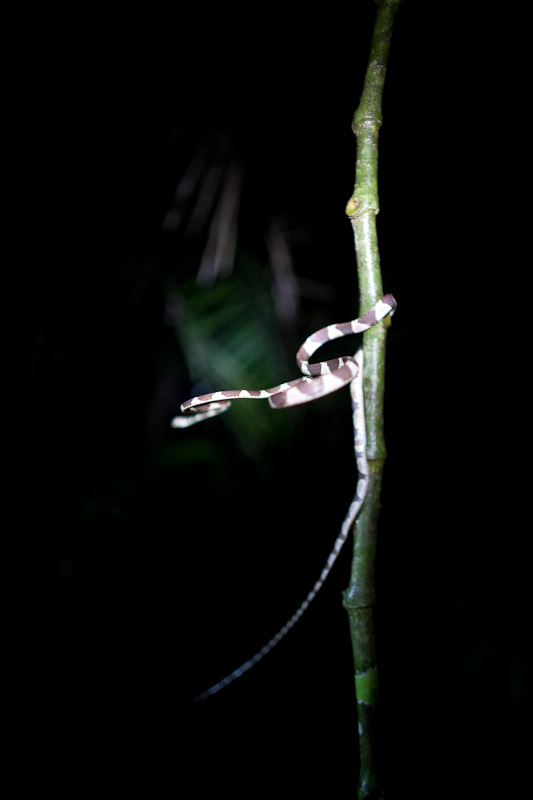 I think this was a blunthead tree snake (Imantodes cenchoa)
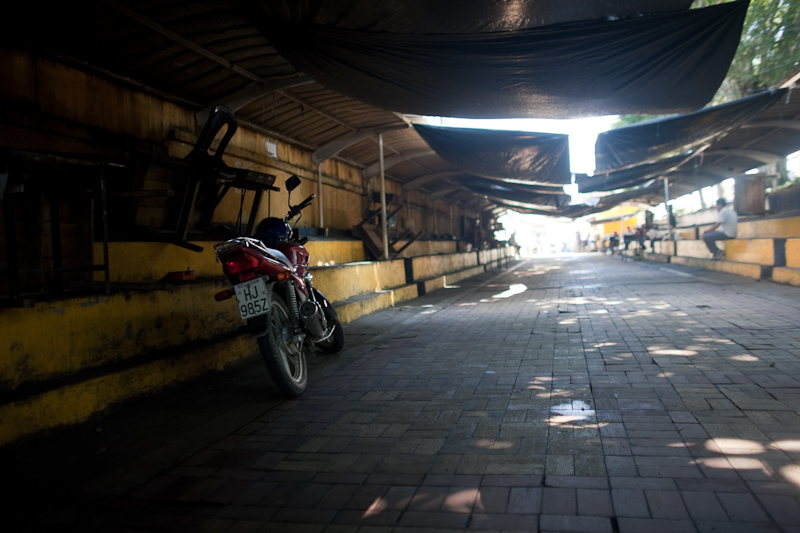 motorbike at the market in Coca
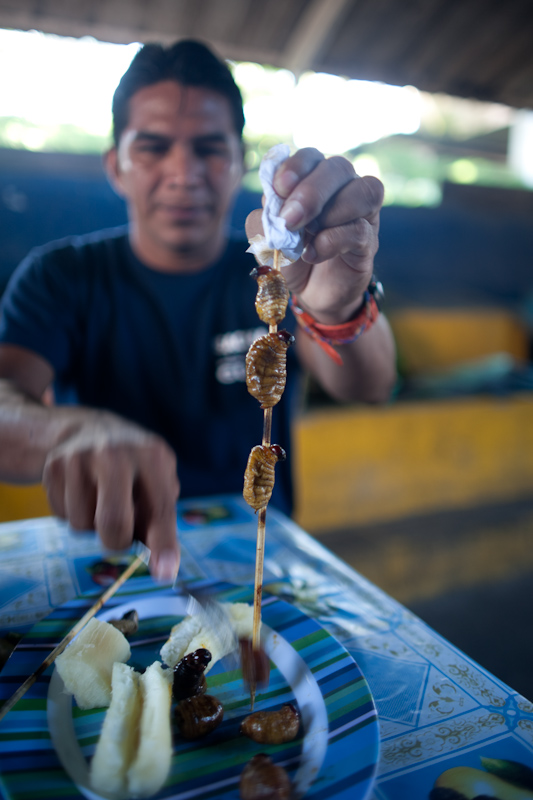 Palm weevil grubs (rhynchophorus palmarum?) aka Grugru with yucca. The larvae eat palm hearts. The grubs were covered with some type of sauce and then grilled.
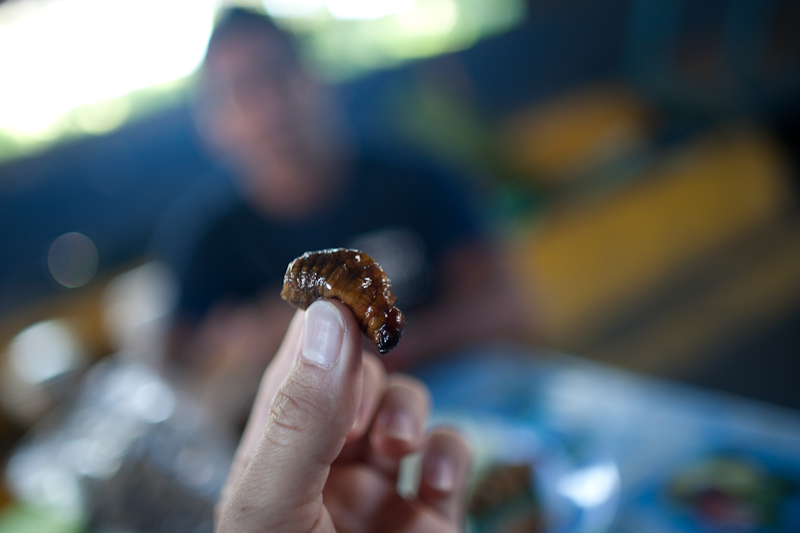 I thought they were kind of gross. The sauce gave it a sausage-y flavor. The skin had a sort of tough texture and the inside was kind of mushy. The head was crunchy.
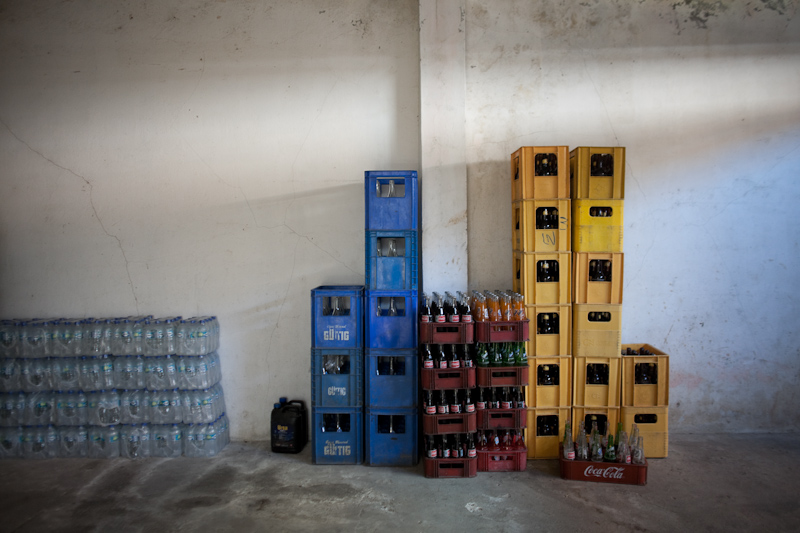 A photo of Coca Cola stockpiles that I took while waiting for our ride to the airport.
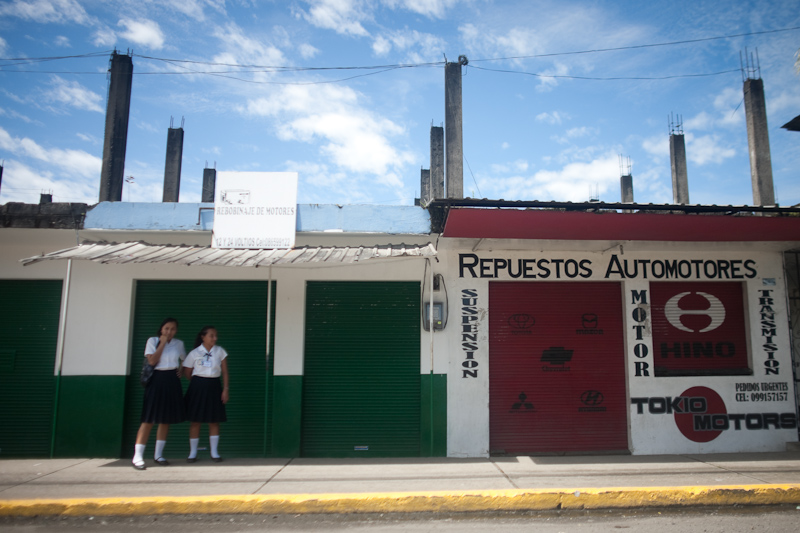 school girls in Coca